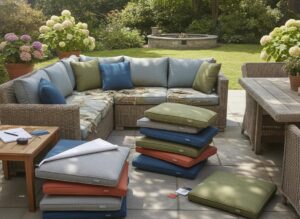
Knowing how to clean outdoor patio cushions properly is the difference between cushions that last five seasons and ones you’re replacing every two years. Sun, rain, pollen, bird droppings, and mildew all take a toll on outdoor fabric — and a quick rinse with a garden hose usually isn’t enough to reverse the damage.
The good news is that most outdoor cushions — whether they’re covered in Sunbrella, polyester, or a generic olefin blend — can be cleaned effectively with a few household supplies and the right technique. Skip the wrong approach and you risk shrinking foam inserts, setting stains permanently, or stripping fabric coatings that protect against future moisture.
In this guide you’ll find step-by-step instructions for routine cleaning, tackling mold and mildew, handling stubborn stains, and drying cushions correctly so they don’t develop that musty smell before you’ve even put them back on the furniture.
What You Need Before You Start Cleaning
🛍️ Products We Recommend:
🧴 Sunbrella Clean Multi-Purpose Fabric Cleaner — $26.99 at Lowe’s
🌿 Sunbrella Renew Mold & Mildew Stain Remover — $23.99 at Sunbrella
✨ Sunbrella Extract Oil Based Stain Remover — $26.39 at Sunbrella
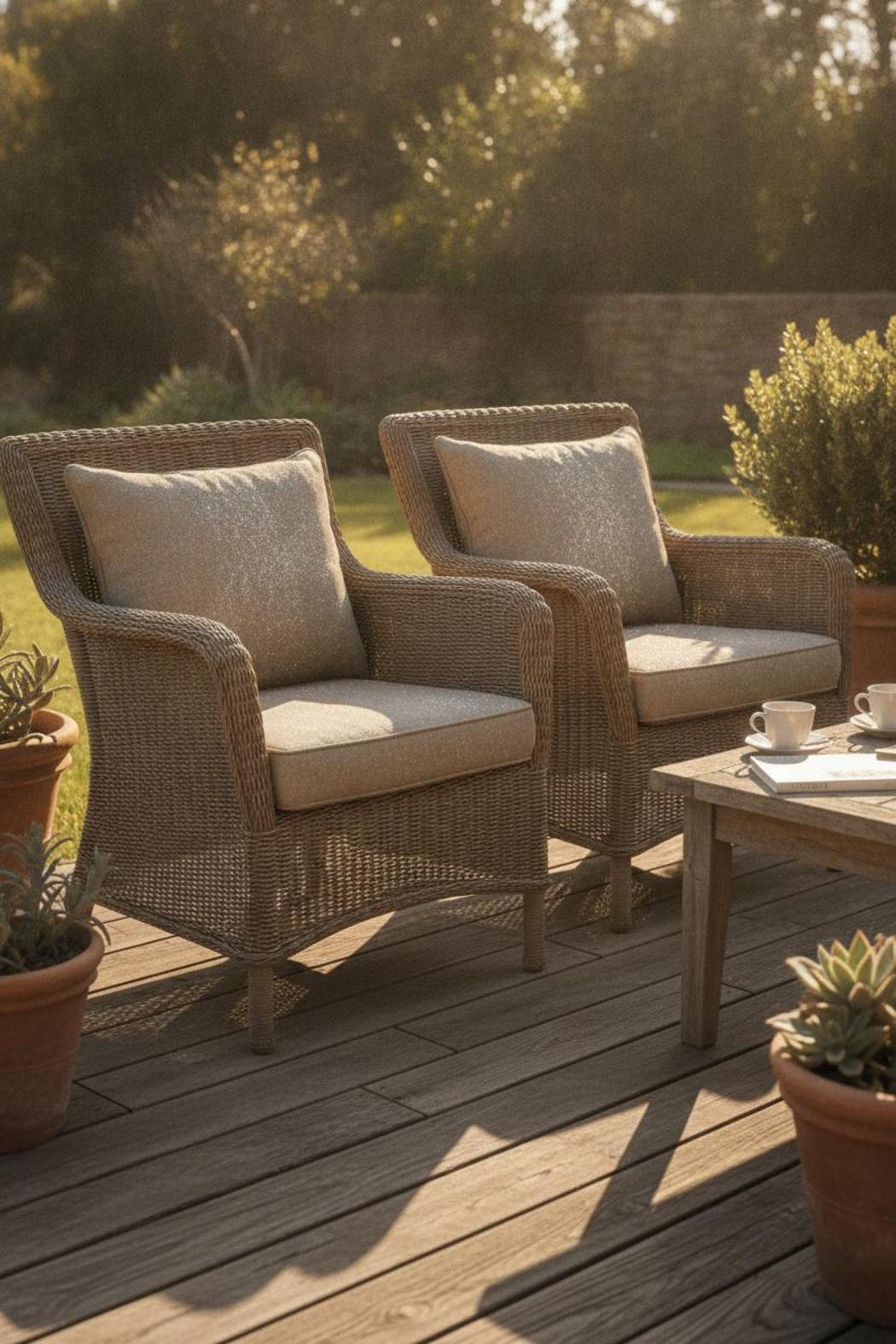
Before you dive into scrubbing, it’s worth taking five minutes to assess what you’re actually dealing with. There’s a big difference between cushions that are dusty and a bit grimy from a summer of use, and cushions that have developed genuine mould or mildew from being left out through autumn rain. Knowing which situation you’re in will save you from either under-cleaning (and wondering why the stains came back) or going in too aggressively with products that can damage your fabric. Turn the cushions over, check the seams, and have a proper look at what’s going on before you reach for anything.
The good news is that for most outdoor fabric cleaning jobs, you don’t need specialist products. A bucket of warm water, a small amount of mild washing-up liquid, and a soft-bristled brush will handle the majority of everyday dirt and surface grime. A dedicated outdoor fabric cleaner is worth having if your cushions get heavy use or live outside year-round, but it’s not essential for a straightforward clean. If you’re dealing with mould or mildew — and if your cushions have been stored damp or left out in wet weather, there’s a fair chance you are — then you’ll want a solution of white vinegar and water, or a diluted fabric-safe cleaner that specifically states it can tackle mould. Avoid bleach on coloured fabrics unless the manufacturer explicitly says it’s safe; it’s an easy way to ruin a cushion you otherwise could have saved.
It’s also worth checking the care label before you start. Most outdoor cushions these days are made from solution-dyed acrylic, polyester, or olefin fabrics, all of which are reasonably forgiving. But some cheaper cushions use fabrics that don’t respond well to soaking or scrubbing, and the label will usually tell you. If there’s no label, err on the side of caution and test your cleaning solution on a hidden corner first.
Finally, think about where you’re going to do the actual cleaning and, more importantly, where the cushions are going to dry. This part matters more than most guides let on. If you’re learning how to clean outdoor patio cushions properly for the first time, one of the most common mistakes is not allowing enough drying time before putting covers back on or stacking cushions away. Damp foam is where mould starts, so you want a warm, well-ventilated spot — ideally somewhere they can dry in the sun for several hours. Get your space sorted before you start, and the whole process will go a lot more smoothly.
How to Deep Clean Outdoor Cushions Step by Step
🛍️ Products We Recommend:
🧴 Sunbrella Clean Multi-Purpose Fabric Cleaner — $26.99 at Lowe’s
🌿 Sunbrella Renew Mold & Mildew Stain Remover — $23.99 at Sunbrella
✨ Sunbrella Extract Oil Based Stain Remover — $26.39 at Sunbrella
Before you grab the hose and start soaking everything in sight, take a minute to check the care label on your cushions. Most outdoor fabrics — Sunbrella being the most common — can handle a decent scrub, but some cheaper polyester blends will pill or fade if you go in too hard. Once you know what you’re working with, remove the cushion covers if they unzip, because washing them separately almost always gets better results than treating the whole cushion as one unit.
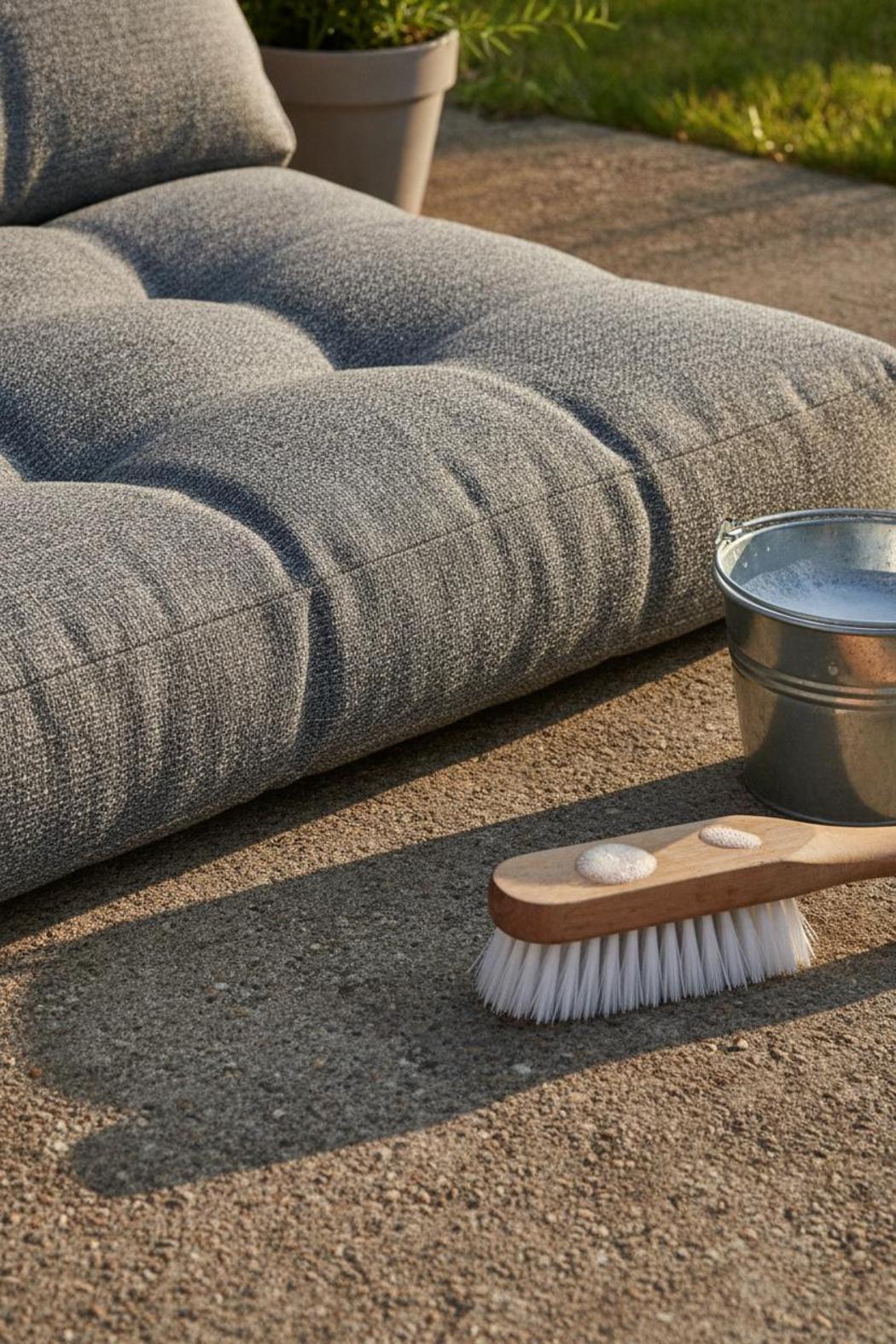
Fill a bucket with warm water and add a small amount of mild dish soap — about a tablespoon per litre is plenty. Avoid anything with bleach unless you’re specifically trying to remove mold from cushions, in which case a diluted solution of one part bleach to ten parts water works well on white or light-coloured fabrics. For darker covers, stick to a specialist outdoor fabric cleaner or white vinegar diluted in water instead, as bleach can strip colour even on fabrics that claim to be fade-resistant.
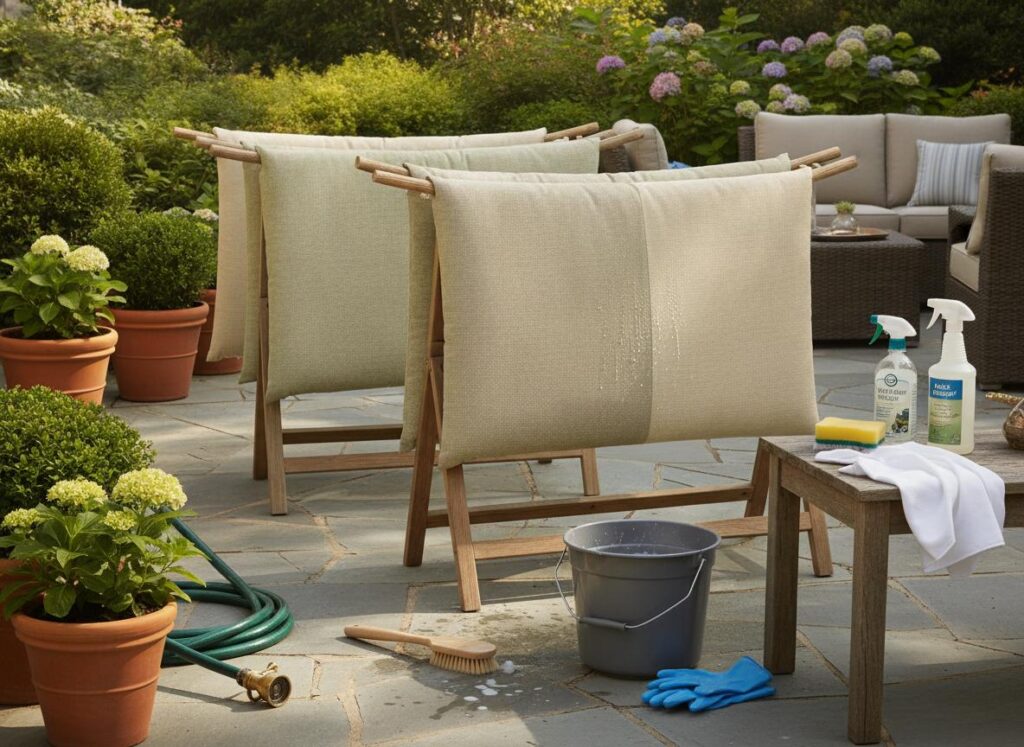
Apply your cleaning solution with a soft-bristled brush — an old nail brush or a dedicated upholstery brush both work fine. Work in circular motions and don’t be shy about putting some effort into seams and piping, where grime and mildew tend to hide. If you’re dealing with stubborn stains, let the solution sit for five to ten minutes before scrubbing. This is honestly the step most people skip, and it makes a real difference when you’re trying to clean outdoor cushions that have been sitting through a full season of use.
Rinse thoroughly — and then rinse again. Soap residue left in the fabric will actually attract more dirt over time and can cause the fabric to feel stiff and tacky. A garden hose on a moderate setting is ideal here; just avoid high-pressure jets directly on stitching, as this can weaken seams over time. Once rinsed, stand the cushions on their edge or prop them up at an angle so air can circulate on both sides. Laying them flat on a surface traps moisture underneath and is exactly how you end up with mildew problems in the first place.
Drying time matters more than most guides admit. Even on a warm day, thick foam-filled cushions can take six to eight hours to dry completely through the core. Squeeze the cushion gently — if it feels cold or heavy in the centre, it’s not done yet. Putting damp cushions back into storage or back onto the furniture is one of the most common causes of that musty smell people complain about come springtime. Patience here saves you repeating the whole process a month later.
How to Remove Mold and Mildew from Patio Cushions
🛍️ Products We Recommend:
🧴 Sunbrella Clean Multi-Purpose Fabric Cleaner — $26.99 at Lowe’s
🌿 Sunbrella Renew Mold & Mildew Stain Remover — $23.99 at Sunbrella
✨ Sunbrella Extract Oil Based Stain Remover — $26.39 at Sunbrella
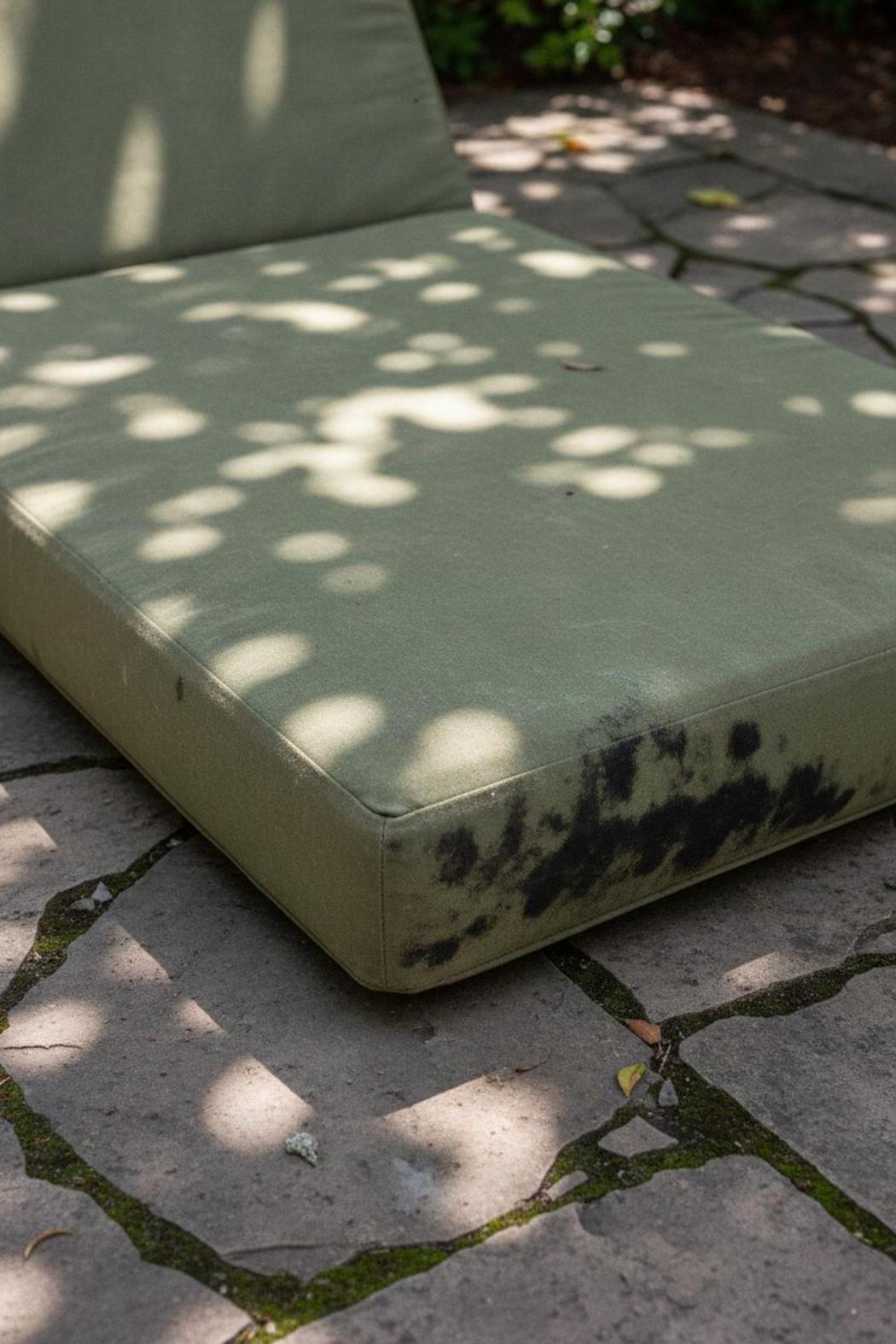
Mold and mildew are probably the most common reason people go looking for advice on how to clean outdoor patio cushions, and honestly, it makes sense. Cushions left outside through damp weather, stored while still slightly wet, or just sitting in a shaded corner that never quite dries out are practically an invitation for spores to settle in. The good news is that most mold growth on outdoor fabric is surface-level and very treatable. The less good news is that if you’ve left it too long, some staining may be permanent even after the mold itself is gone.
Start by taking the cushions outside and brushing off any loose mold with a stiff-bristled brush before you get anything wet. Do this away from your living space so you’re not spreading spores around your patio. Once you’ve removed the dry surface growth, mix a solution of one cup of white vinegar per litre of warm water, or alternatively use a diluted bleach solution — roughly one tablespoon of bleach per litre of water — if you’re dealing with stubborn mildew on white or light-coloured fabric. Before you apply anything across the whole cushion, test a small hidden area first. Some outdoor fabrics handle bleach fine; others will fade or weaken the fibres over time.
Apply your chosen solution generously with a soft brush or cloth, working it into the fabric and letting it sit for ten to fifteen minutes. You’re not scrubbing aggressively here — just giving the solution time to break down the mold at the root rather than just lifting it off the surface. After soaking, scrub gently in a circular motion, rinse thoroughly with a hose or bucket of clean water, and repeat if the staining is still visible. For cushion covers that are removable, this is a good point to run them through a cool machine wash with a mild detergent, which will help flush out any remaining spores from the fabric weave.
Drying is where most people undo their good work. Cushions that go back into storage or back onto furniture while still damp will develop mold again within days. Stand them upright or prop them at an angle in a sunny spot with good airflow, and give them a full day — ideally two — before you consider them ready. If you’re dealing with thick foam-core cushions, remember the interior takes far longer to dry than the cover. Pressing down on the cushion and feeling for any cool, damp resistance in the centre is a simple way to check before putting them away.
If mold keeps coming back in the same spot, the problem is usually environmental rather than the cushion itself. A shaded corner, a cover that traps moisture, or a piece of furniture that doesn’t drain well after rain — fixing the root cause matters more than any cleaning method. Regular patio cushion care, including occasional brushing and making sure cushions are stored dry, will always be easier than dealing with a serious mold problem later.
How to Dry and Store Cushions So They Stay Clean Longer
🛍️ Products We Recommend:
🧴 Sunbrella Clean Multi-Purpose Fabric Cleaner — $26.99 at Lowe’s
🌿 Sunbrella Renew Mold & Mildew Stain Remover — $23.99 at Sunbrella
✨ Sunbrella Extract Oil Based Stain Remover — $26.39 at Sunbrella
Getting your cushions clean is only half the job. How you dry and store them afterwards makes a bigger difference to how long they stay looking good than most people realise — and it’s where a lot of otherwise solid patio cushion care routines fall apart.
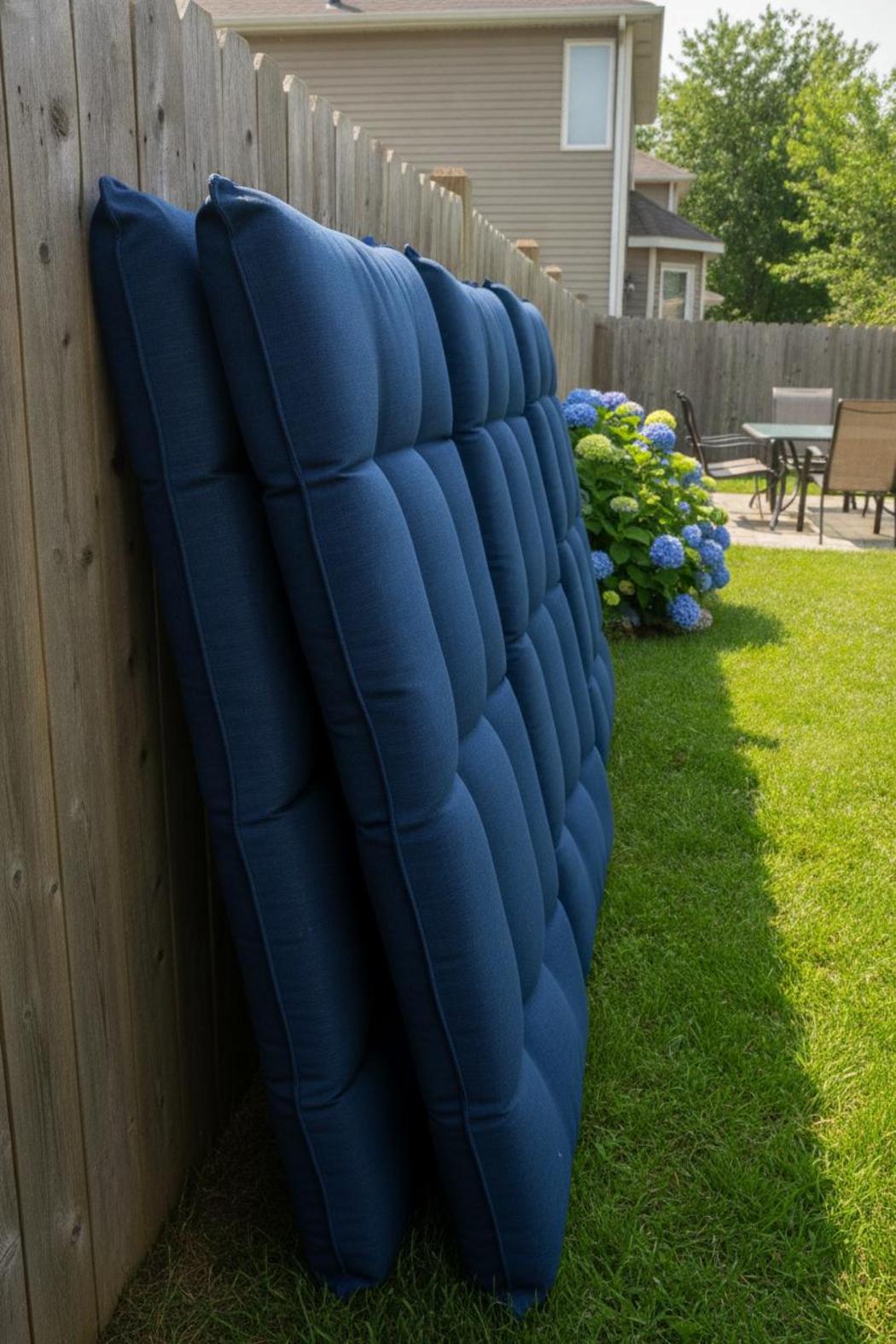
After washing, never fold damp cushions and stack them away, even temporarily. Moisture trapped inside the foam core is exactly what leads to that musty smell and, eventually, mould growth that’s genuinely difficult to shift. Instead, stand cushions upright on their edges in a spot with good airflow, ideally in direct sun if the weather allows. Sun is a natural sanitiser and it speeds up drying considerably. Flip them over after a couple of hours so both sides dry evenly. For thicker cushions, give them a full day before you even think about storing them — press your hand firmly into the centre and if it still feels cool or dense, they need more time.
When it comes to storage, breathable is better than airtight. Those zippered plastic storage bags look like a smart solution, but if there’s even a trace of humidity left in the fabric, you’re essentially creating a warm, sealed environment for mildew to thrive. A purpose-built deck box with ventilation slots, or even a breathable fabric storage bag, is a far more sensible choice. Throw in a couple of moisture-absorbing packets if your storage area is prone to dampness — it’s a cheap fix that prevents a much bigger problem later.
If you’re leaving cushions outside during summer rather than bringing them in every night, a good-quality waterproof cover does a reasonable job of keeping overnight dew off the fabric. Just lift the cover off during the day so any trapped humidity can escape. Leaving covers on in warm weather without ventilation creates the same mildew risk as sealed storage. A bit of daily airflow goes a long way.
One honest note: even with the best routine for how to clean outdoor patio cushions and dry them properly, most outdoor cushions will show some wear after three or four seasons of real use. That’s normal. The goal of good drying and storage habits isn’t to make them last forever — it’s to avoid the frustrating situation where cushions that are structurally fine are ruined by preventable mould or a persistent damp smell that no amount of cleaning will fully fix.
Conclusion
Now you know exactly how to clean outdoor patio cushions and keep them looking great season after season. A little effort before winter — spot cleaning, deep washing, and proper storage — can add years to the life of your cushions and save you real money in the long run. Don’t let dirt, mildew, and moisture undo all that outdoor enjoyment. Make cushion care part of your end-of-season routine, and your patio will be ready to shine again come spring. For more outdoor living tips, explore more guides right here at Home Stand.
Save this guide for later and pin it to your board! 📌