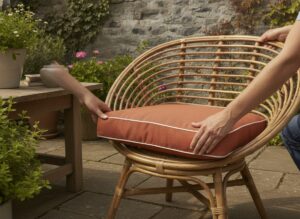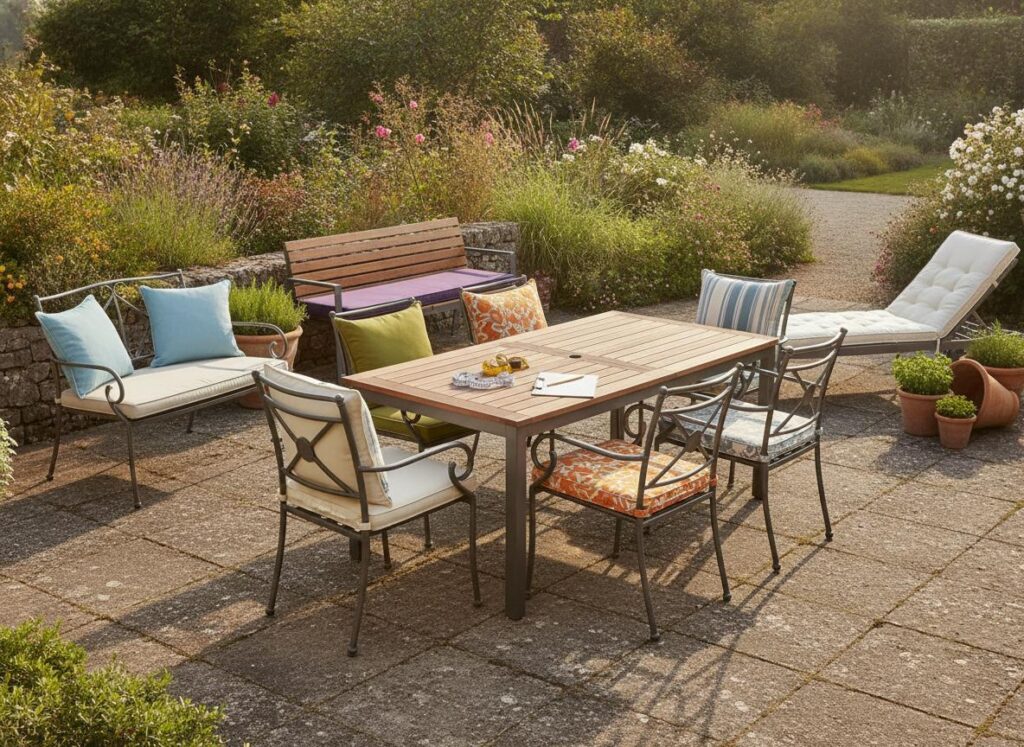
If you’ve ever ordered outdoor cushions only to find them sliding off the seat or hanging over the edge, you already know why a standard outdoor cushion sizes guide matters before you spend a dime.
The problem is that outdoor furniture doesn’t follow one universal standard — manufacturers in the US, Europe, and Asia all produce slightly different frames, and retailers rarely make it easy to match cushion dimensions to actual furniture specs.
This guide cuts through the confusion. You’ll find the most common patio cushion dimensions for dining chairs, lounge chairs, loveseats, benches, and chaise lounges, along with a practical cushion size chart, tips on how to measure your existing furniture correctly, and advice on what to do when your pieces fall between standard sizes.
Common Standard Sizes for Every Type of Outdoor Cushion
🛍️ Products We Recommend:
🪑 ARDEN Outdoor Dining Chair Cushion 20 in x 20 in — $37.99 at Target
☀️ Hampton Bay 20 in. W x 20 in. D Universal Outdoor Seat Pad — $79.88 at Home Depot
🌿 Costway Outdoor Chair Cushion Set of 4 Waterproof Fade-Resistant Olefin Seat Cushions — $69.99 at Walmart – Costway
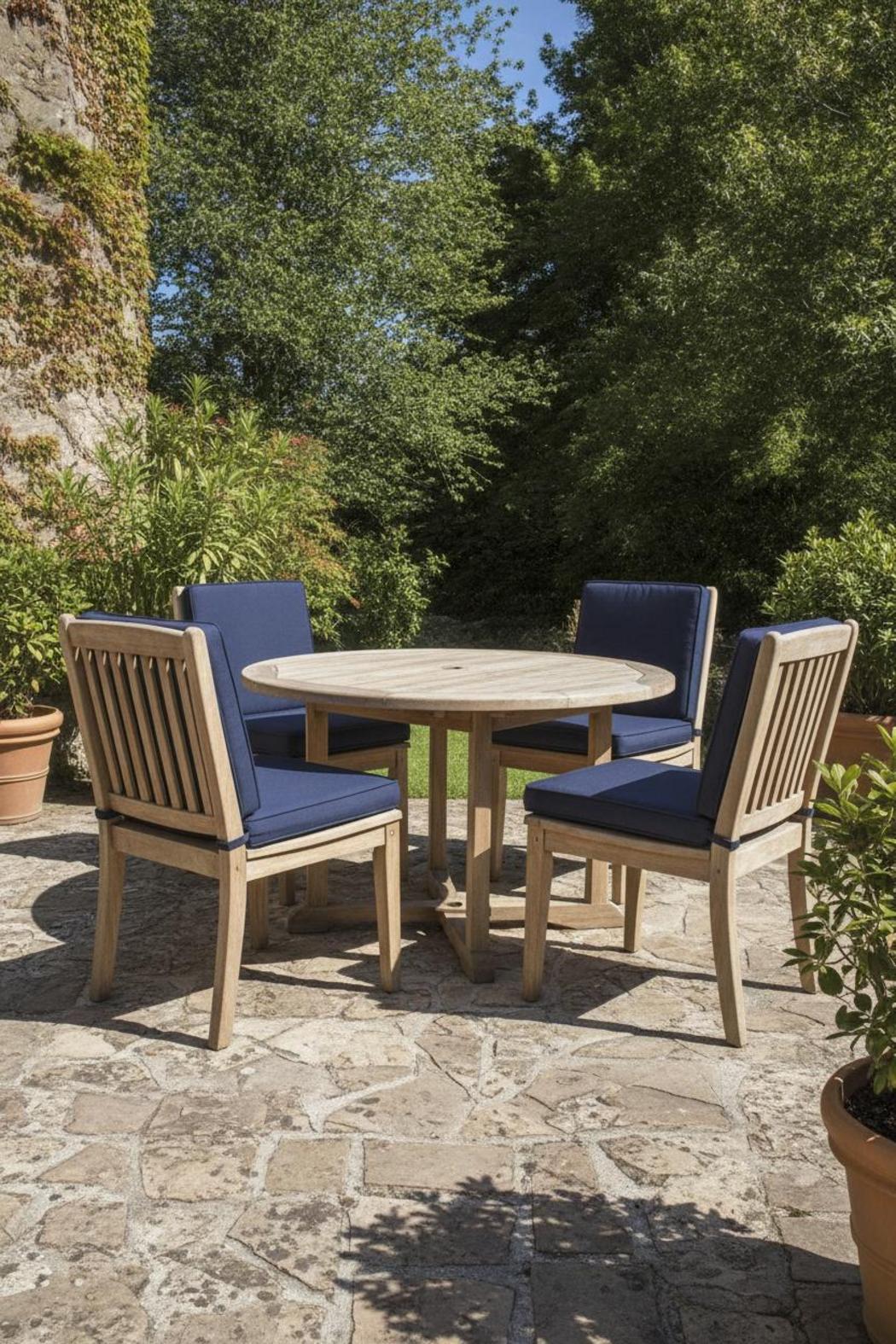
If you’ve ever ordered cushions online only to find they’re slightly too small or awkwardly oversized, you’re not alone. The outdoor furniture industry doesn’t follow a single universal standard, but there are widely accepted dimensions that most manufacturers work around — and knowing these before you buy will save you a lot of hassle. Think of this as your practical cushion size chart for the real world, not just what looks good in a product listing.
For standard outdoor dining chairs, seat cushions typically measure around 40cm x 40cm (roughly 16 x 16 inches), though 45cm x 45cm is equally common, particularly with European furniture. If your chairs have a slightly deeper seat, you’ll often find 45cm x 50cm works better. These dimensions assume a fairly flat, tie-on style cushion — the kind you’d use on a wooden or metal dining chair. Thickness usually runs between 5cm and 8cm for comfort without making the seat height awkward.
Garden bench cushions are where sizing gets more variable, but a good starting point for a standard two-seater bench is around 100cm to 120cm wide by 45cm deep. Three-seater versions typically range from 150cm to 180cm. The depth is the measurement most people get wrong — benches can vary significantly, so always measure your actual seat depth rather than relying on the furniture description alone.
Sunlounger cushions are generally the most standardised in this whole category. Most loungers accommodate a cushion of around 185cm to 195cm long by 55cm to 60cm wide. A few wider luxury models go up to 70cm, but if you’re replacing a cushion rather than buying new, the 55–60cm width covers the vast majority. For outdoor seat cushion measurements on lounge chairs and bucket-style seats, expect more variation — these tend to be furniture-specific, so measuring is essential.
Sofa and corner set cushions are where this standard outdoor cushion sizes guide becomes most useful, because modular garden sets can be genuinely confusing. Most standard single-module seat cushions are around 60cm x 60cm or 65cm x 65cm square, with back cushions typically 60cm wide and 40–50cm tall. Corner pieces usually use the same seat cushion as the standard modules, which is helpful when replacements are needed. Thickness on these tends to be 10–12cm to give that proper sofa-like feel.
One honest note: even with these benchmarks in hand, always measure your furniture before ordering. Patio cushion dimensions from one brand to the next can differ by 5cm or more, and a cushion that’s even slightly too small looks sloppy and slides around constantly. These standard sizes are a useful starting point and a great reality check when browsing, but your tape measure is still your best friend.
How to Measure Your Outdoor Furniture for the Right Cushion Fit
🛍️ Products We Recommend:
🪑 ARDEN Outdoor Dining Chair Cushion 20 in x 20 in — $37.99 at Target
☀️ Hampton Bay 20 in. W x 20 in. D Universal Outdoor Seat Pad — $79.88 at Home Depot
🌿 Costway Outdoor Chair Cushion Set of 4 Waterproof Fade-Resistant Olefin Seat Cushions — $69.99 at Walmart – Costway
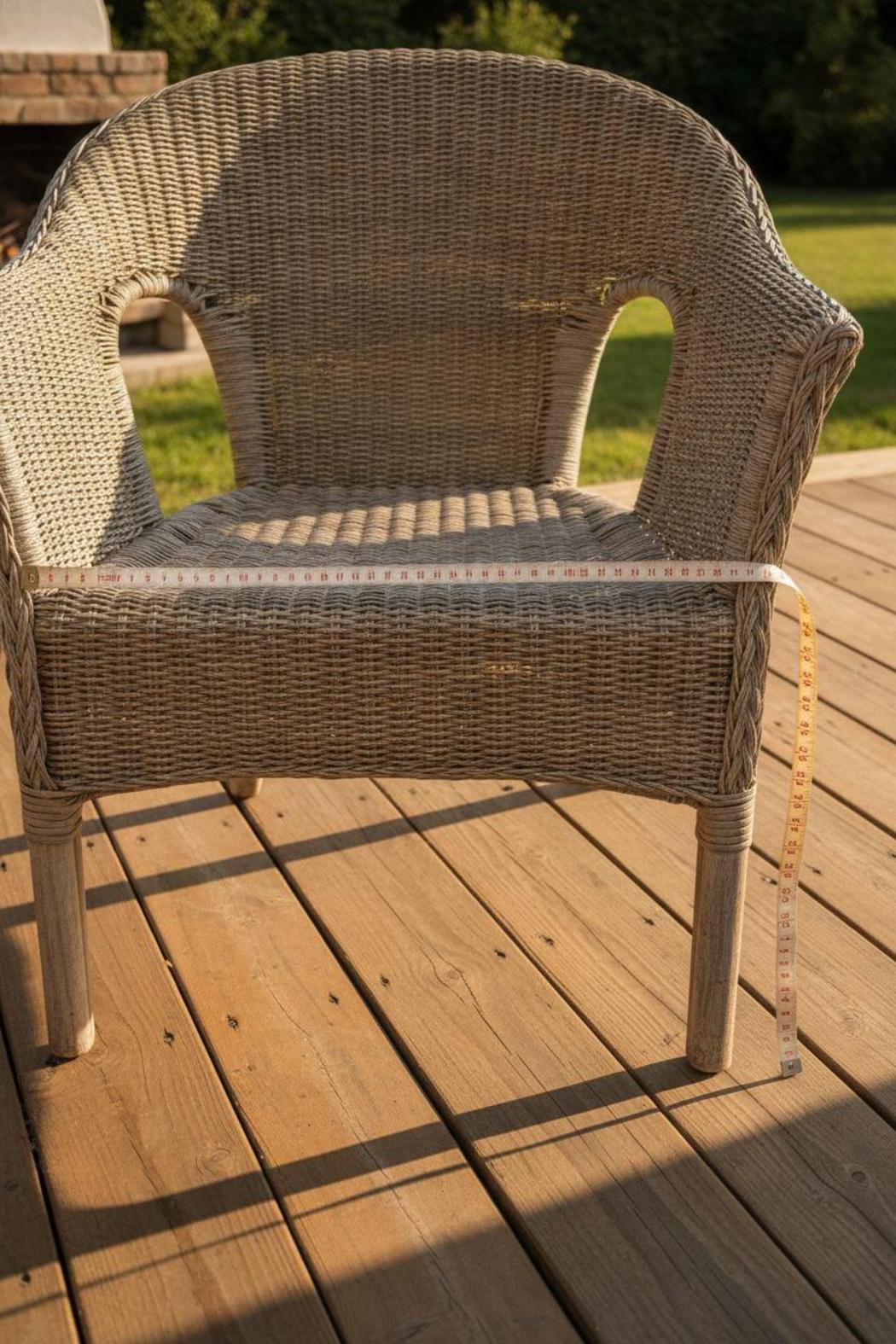
Before you start browsing any standard outdoor cushion sizes guide or comparing patio cushion dimensions online, grab a tape measure and spend five minutes with your actual furniture. It sounds obvious, but most cushion-buying mistakes happen because people skip this step and rely on guesses or manufacturer specs that don’t reflect what’s sitting in their garden right now.
For seats, measure the width from the inside of one armrest to the inside of the other — not the total frame width. Then measure the depth from the front edge of the seat to the back frame or backrest. These are your usable seat dimensions, and your cushion should match them closely without being forced into place or flopping over the edges. A cushion that’s an inch or two smaller than the seat space is usually fine; one that’s larger will buckle and look sloppy.
Back cushions need a slightly different approach. Measure the width of the backrest frame and the height from where the seat cushion ends to the top of the frame. If your chair has an angled or slatted back, measure along the surface rather than straight up — you want the cushion to follow the actual resting surface, not just the height of the frame. A lot of people get caught out here, especially with Adirondack chairs and reclining loungers where the angle changes everything.
For bench cushions and sun loungers, length is where things get tricky. Outdoor furniture is rarely built to exact round numbers, so a bench described as “two-seater” by one manufacturer might be 110cm wide and another 125cm. Always measure the sitting surface, not the overall bench length including armrests or decorative ends. This is where having a solid cushion size chart to hand genuinely helps — once you have your measurements, you can cross-reference against standard sizes to find the closest match rather than hunting for something bespoke.
One honest tip worth mentioning: if your cushion will sit inside a frame or drop into a seat well, subtract about 1–2cm from each measurement to allow for easy removal and airflow. If it sits on top of an open frame, you can go right to the edge or even slightly over. And always double-check whether a measurement you’ve taken is the inner frame dimension or the outer — mixing these up is probably the single most common reason people end up with cushions that don’t fit.
Cushion Size Chart: Dining, Lounge, Bench & Chaise by Category
🛍️ Products We Recommend:
🪑 ARDEN Outdoor Dining Chair Cushion 20 in x 20 in — $37.99 at Target
☀️ Hampton Bay 20 in. W x 20 in. D Universal Outdoor Seat Pad — $79.88 at Home Depot
🌿 Costway Outdoor Chair Cushion Set of 4 Waterproof Fade-Resistant Olefin Seat Cushions — $69.99 at Walmart – Costway
Before you start measuring or ordering, it helps to understand that outdoor cushion sizes tend to cluster around a handful of common dimensions depending on the type of furniture they’re designed for. This standard outdoor cushion sizes guide breaks things down by category so you can quickly find what applies to your setup, rather than wading through a wall of unrelated measurements.
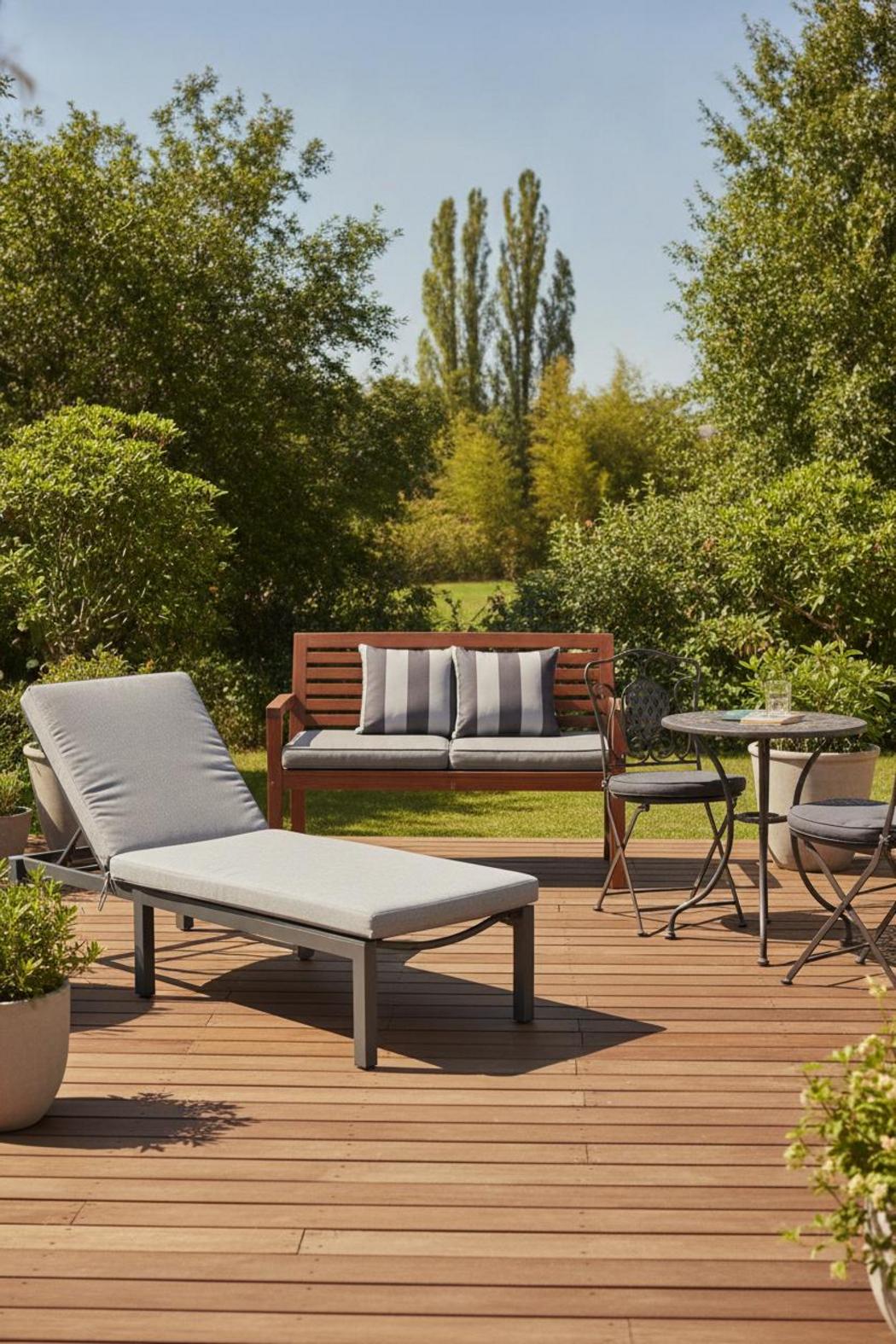
For dining chair cushions, the most common sizes run between 14×14 inches and 16×16 inches square, though rectangular pads in the region of 15×17 inches are also widely available. These are designed to sit on a relatively firm seat and don’t need much depth — typically 2 to 3 inches of fill is plenty. Lounge chairs and armchairs are a different story. Seat cushions here usually measure around 21×21 inches to 24×24 inches, with back cushions often sold as a separate piece running 21 inches wide and anywhere from 20 to 25 inches tall. The thicker the cushion, the more comfortable the chair tends to feel for long stretches, so don’t automatically reach for the thinnest option just because it’s cheaper.
Bench cushions are where patio cushion dimensions get more variable, because benches themselves vary so much. That said, the most common widths for a two-seater bench pad are 42 to 45 inches, while three-seater versions typically run 48 to 52 inches. Depth tends to stay consistent at around 18 to 20 inches, with a 3-inch thickness being the sweet spot between comfort and practicality. If your bench is an unusual size, it’s worth knowing that many retailers offer made-to-measure options at a reasonable premium — often worth the extra cost compared to a pad that overhangs or leaves awkward gaps.
Chaise lounge cushions are among the longest in any outdoor cushion size chart, typically running from 72 inches up to 80 inches in length, with widths of around 21 to 26 inches. Because they cover the full length of the frame, getting the length right matters more than with other styles — too short and you’ll have a metal bar pressing into the backs of your knees. Thickness is usually 3 to 4 inches, and some chaise cushions come as a single piece while others are two-part designs that fold with the chair back. Check which style your furniture uses before buying.
One honest word of warning: these measurements are industry norms, not universal standards. Different manufacturers use slightly different specs, and branded furniture lines often require their own proprietary cushions. Always measure your actual frame before ordering, and when in doubt, go slightly smaller rather than larger — a cushion that’s an inch too wide will look messy and may not sit flat, whereas a small gap around the edges is barely noticeable in use.
What to Do When Your Furniture Is a Non-Standard Size
🛍️ Products We Recommend:
🪑 ARDEN Outdoor Dining Chair Cushion 20 in x 20 in — $37.99 at Target
☀️ Hampton Bay 20 in. W x 20 in. D Universal Outdoor Seat Pad — $79.88 at Home Depot
🌿 Costway Outdoor Chair Cushion Set of 4 Waterproof Fade-Resistant Olefin Seat Cushions — $69.99 at Walmart – Costway
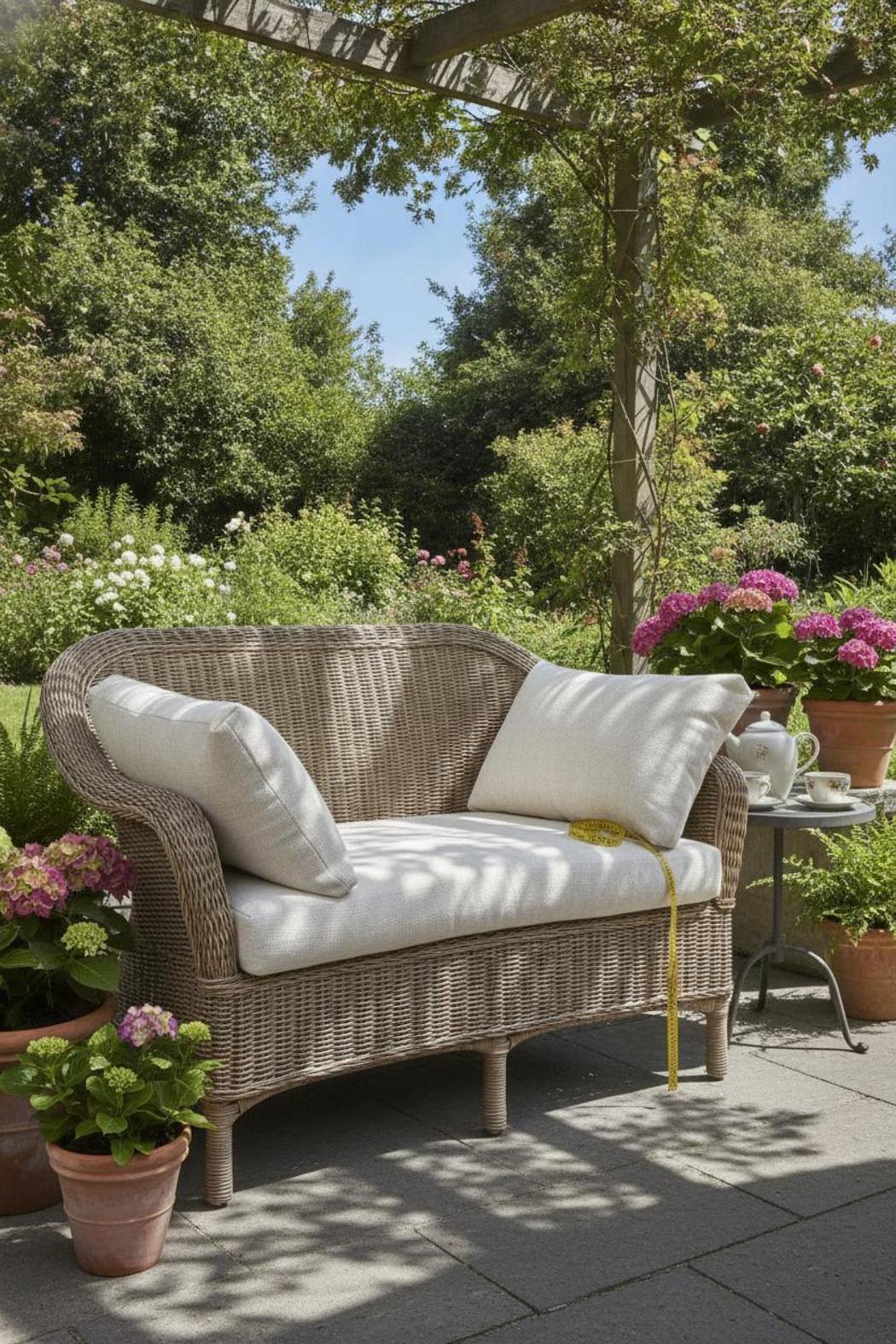
Not every piece of garden furniture was built with standard outdoor cushion sizes in mind, and if you’ve landed here after a frustrating afternoon of measuring and comparing, you’re not alone. Vintage wrought iron sets, imported rattan sofas, and budget flat-pack furniture all have a habit of falling just outside the common patio cushion dimensions you’ll find on most product pages. The good news is that a non-standard size doesn’t automatically mean you need to go custom — it just means you need to be a little more strategic about how you shop.
The first thing worth doing is measuring twice and recording everything: seat width, seat depth, back height, and the thickness of any existing cushion you’re replacing. A lot of people only measure width and depth, then get caught out when a cushion arrives and sits too high or too low because the thickness is wrong. Once you have all four numbers, check them against a cushion size chart from a few different retailers before assuming you need a bespoke order. Manufacturers often round to the nearest 5cm, so a seat that measures 47cm deep might well be served perfectly by a standard 45cm or 50cm option — especially once the cushion settles under use.
If you’re genuinely between sizes, go slightly smaller rather than larger. A cushion that’s a centimetre or two short on depth looks intentional and stays in place better. A cushion that overhangs the front edge will constantly slide forward and eventually wear unevenly at the fold point. For back cushions specifically, a little extra height is usually fine — it just means the cushion sits slightly proud of the frame, which most people find comfortable anyway.
When standard just won’t work, custom cushions are more accessible than they used to be. Several UK suppliers now offer made-to-measure garden furniture cushion sizes at reasonable prices, particularly if you’re ordering more than one or two pieces. Lead times are typically two to four weeks, so factor that in if you’re trying to be ready for a specific occasion. It’s also worth asking whether your furniture manufacturer sells replacement cushions directly — some do, even for discontinued ranges, and the sizing will obviously be exact.
Finally, if you’re buying new furniture and cushions at the same time, use this outdoor seat cushion measurements guide as a checklist before you commit to anything. Cross-reference the furniture dimensions with available cushion sizes before purchase, not after. It takes five minutes and can save you a significant amount of hassle — and the cost of return shipping on something bulky and awkward to repackage.
Conclusion
Getting outdoor cushion sizing right the first time saves you return shipping hassle, wasted money, and the frustration of furniture that looks sloppy all season. Now that you know the standard outdoor cushion sizes, how to measure your frames correctly, and what to watch for with custom versus off-the-shelf options, you’re ready to shop with confidence. Bookmark this standard outdoor cushion sizes guide before your next patio refresh so you always have the key measurements on hand when you need them most.
Save this guide for later and pin it to your board! 📌